The 'New Money Game' Era: How HBCUs Can Shape the Future of FCS Football 💰🏈
College football is shifting. As power conferences tighten schedules and reduce non-conference flexibility, HBCUs have an opportunity others don't: built-in, culture-driven, high-demand matchups. If it don't make dollars... it don't make sense.
When leagues like the Southeastern Conference move toward 9 conference games, that means fewer buy games, fewer guarantee checks, and fewer opportunities for FCS programs to cash in on those early-season payouts.
Let's be real: that revenue stream has quietly propped up athletic departments for years. And now? It's shrinking.
So the question isn't if things will change for HBCU programs—it's whether they'll adapt fast enough to stay ahead.
🔥 THE ADVANTAGE NOBODY'S TALKING ABOUT
Here's where the conversation flips.
While many FCS programs are scrambling for solutions, HBCUs already have something others don't:
Built-in, culture-driven, high-demand matchups.
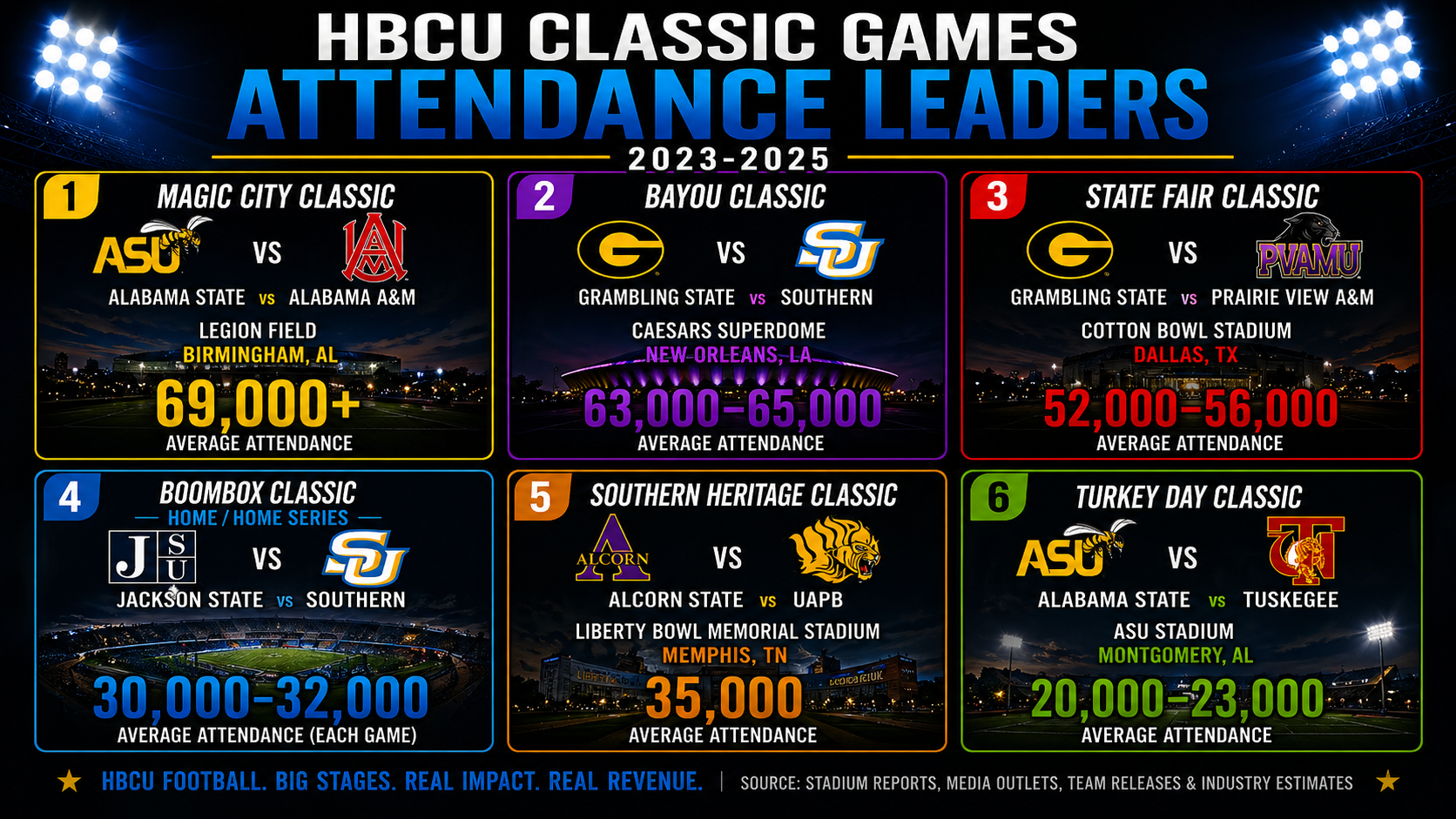
HBCU Classic Games Attendance Leaders 2023-2025. HBCU Football. Big Stages. Real Impact. Real Revenue. (Graphic: SheLovesThee Podcast)
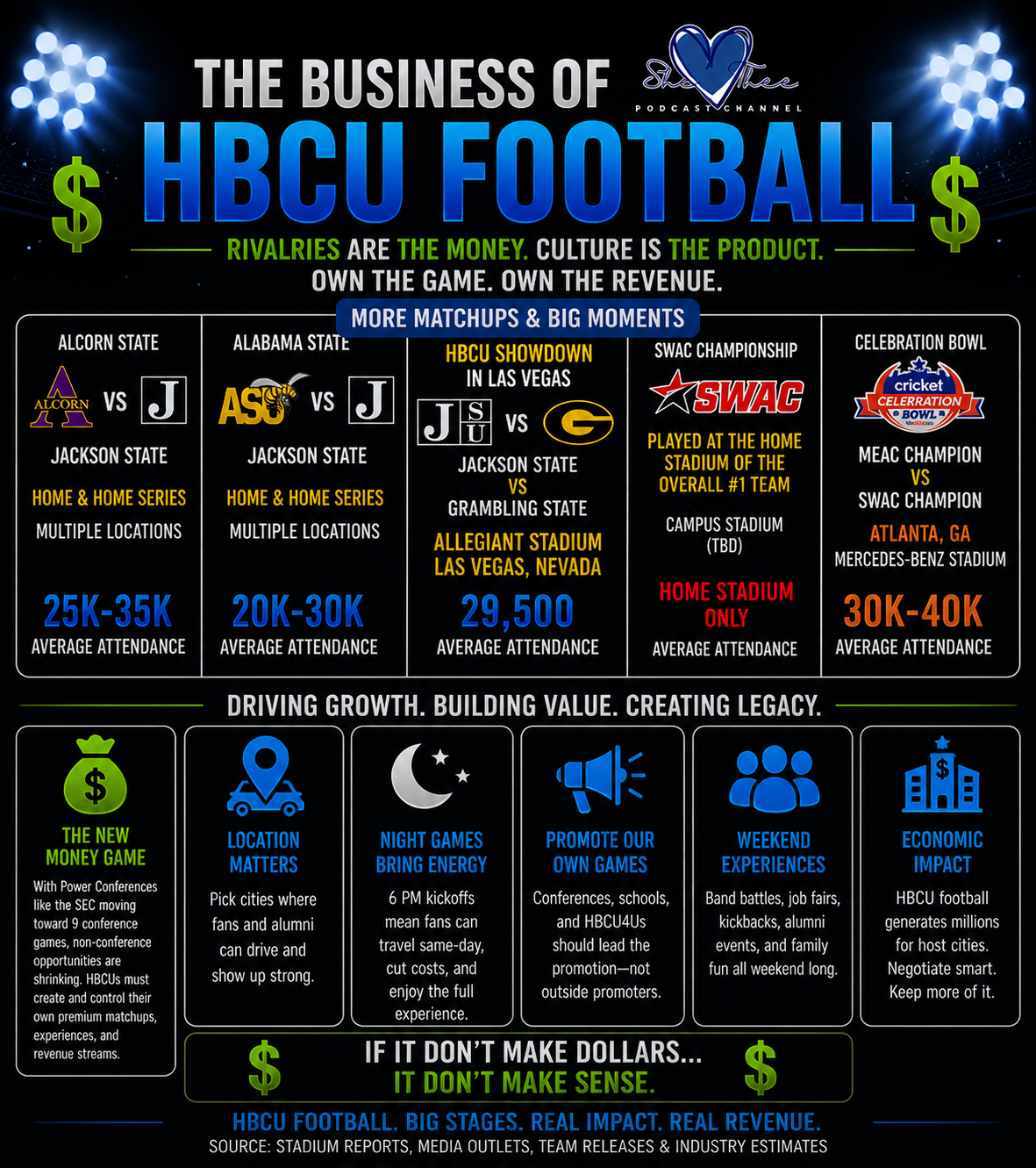
The Business of HBCU Football. Rivalries are the money. Culture is the product. Own the game. Own the revenue. If it don't make dollars... it don't make sense. (Graphic: SheLovesThee Podcast)
This isn't hypothetical—it's proven. Events like the Magic City Classic and the Bayou Classic don't just draw crowds—they generate millions in economic impact for their host cities every single year.
That's not just football.
That's business.
📊 THE NUMBERS DON'T LIE: HBCU CLASSIC ATTENDANCE (2023-2025)
Let's break down the data:
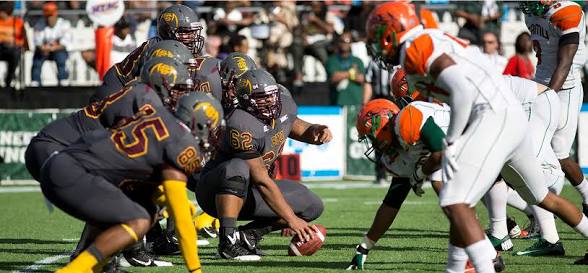
The Florida Classic. FAMU vs Bethune-Cookman. One of the most storied rivalries in HBCU football—and a prime example of built-in demand. (Photo: Aldrin Capulong / Florida Classic)
🧠 KEY TAKEAWAYS (THIS MATTERS FOR YOUR CONTENT)
• Magic City Classic = ATTENDANCE KING (clear #1)
• Bayou Classic = most consistent big crowd
• State Fair Classic = underrated top-tier draw
• BoomBox Classic = spikes based on JSU hype
• Florida Classic = historic rivalry with steady fanbase
• Southern Heritage Classic = declining without marquee matchup
The pattern is clear: matchups with HISTORY and CULTURE draw the biggest crowds.
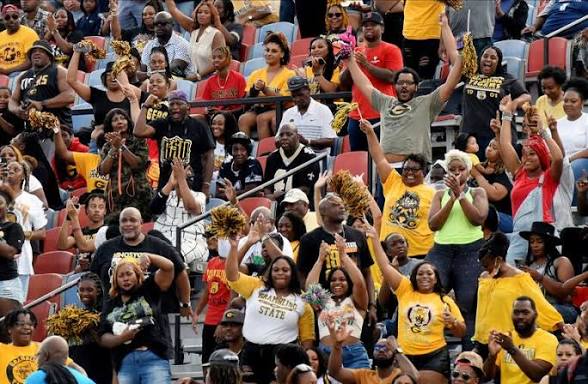
Grambling State fans showing out. THIS is the energy that makes HBCU classics different. The culture is the product. (Photo: Grambling Athletics)
💰 INTRODUCING THE "NEW MONEY GAME"
If the old model was getting paid to get beat by bigger programs, the new model is simple:
Create your own premium product—and own the revenue.
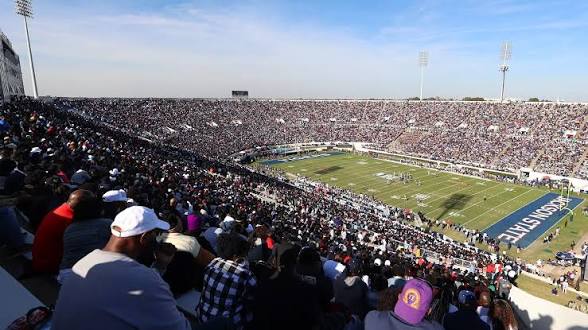
THIS is what HBCU football looks like. Packed stadiums. Electric atmosphere. Culture on full display. This is the product. (Photo: Jackson State Athletics)
Think neutral-site, high-profile, cross-conference HBCU matchups built specifically for:
• Attendance
• Culture
• Travel accessibility
• And TV/streaming value
These aren't just games. They're events.
🎯 PRIME MATCHUPS THAT COULD BREAK THE BANK
Put the right game in the right city with the right build-up, and you're looking at box office numbers:
• Howard vs Jackson State
• South Carolina State vs Jackson State
• Delaware State vs Jackson State
• Southern vs North Carolina A&T
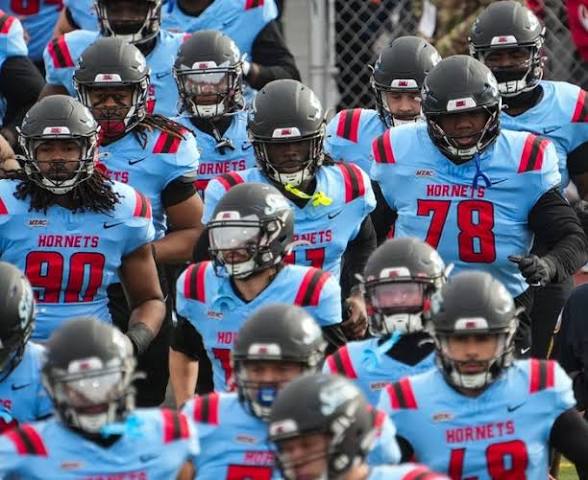
Delaware State Hornets. A program on the rise and a potential partner for premium cross-conference matchups. (Photo: Delaware State Athletics)
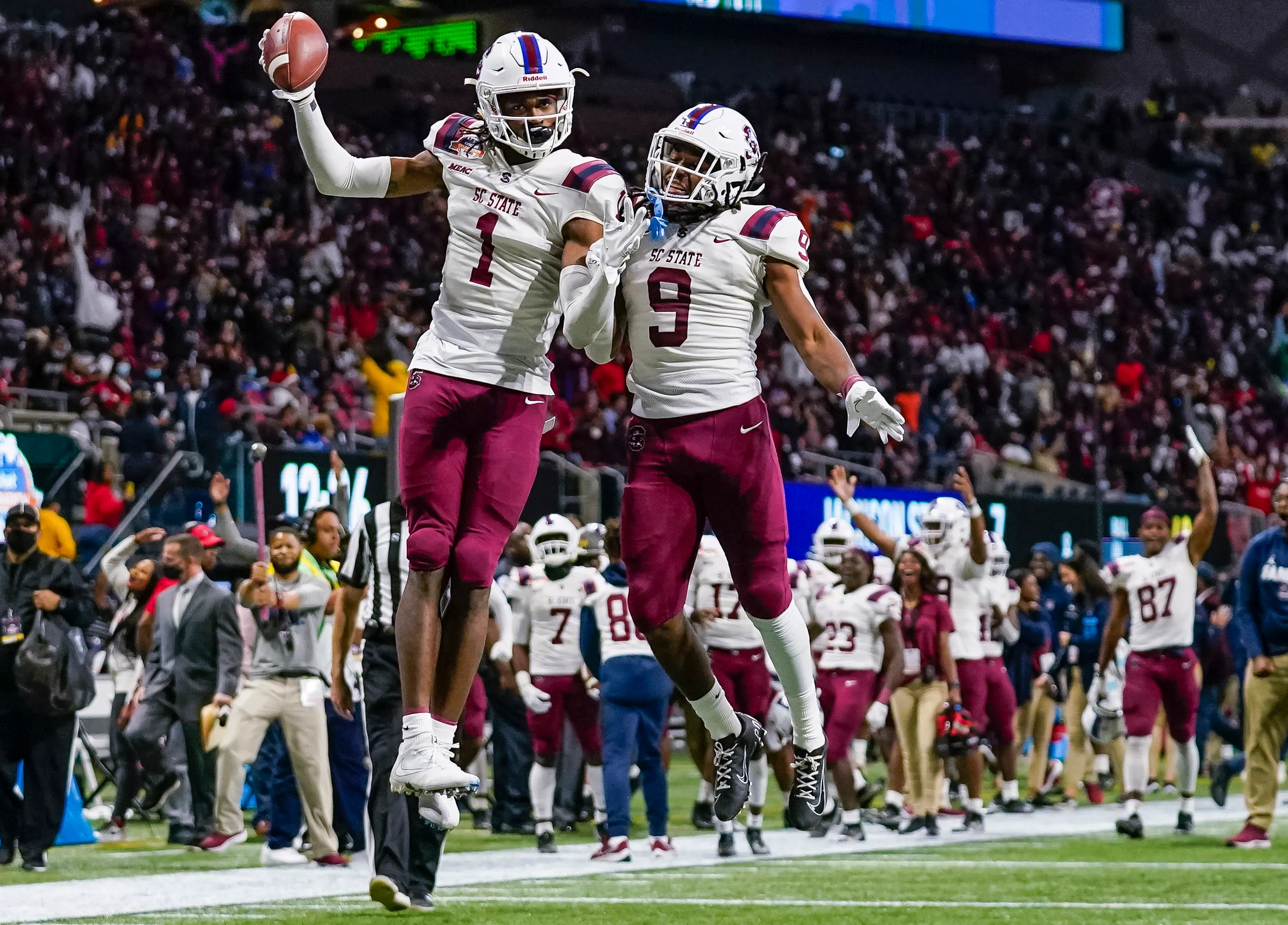
South Carolina State at the Celebration Bowl. This is what championship-level HBCU football looks like—and proof that these programs can compete on the biggest stages. (Photo: Celebration Bowl)
These games already have storylines, fan bases, and band culture behind them. The missing piece?
Intentional staging.
📍 LOCATION MATTERS MORE THAN EVER
If you're serious about maximizing revenue, geography can't be an afterthought.
The blueprint is simple:
• Pick cities where both fan bases can drive
• Tap into alumni hubs
• Keep travel costs low to boost turnout
This is why classics work—they're not random. They're strategic.
🌙 WHY NIGHT GAMES ARE NON-NEGOTIABLE
A 2 PM kickoff won't cut it anymore.
6 PM should be the standard.
Why?
• Fans can drive in the same day
• Less need for hotels = more accessible
• Tailgating culture thrives
• The atmosphere hits different under the lights
Night games turn football into an experience, not just a schedule slot.
🏛️ STOP LETTING PROMOTERS CONTROL THE PRODUCT
One of the biggest shifts in the "new money game" era?
Ownership.
Too many classic games rely on outside promoters who take a large piece of the pie. That model is outdated.
Instead:
• Conferences should collaborate directly
• Organizations like HBC4Us can help coordinate
• Schools should retain control over branding, media, and revenue streams
Because if you're bringing the culture, the fans, and the money—why give it away?
🎉 MAKE IT A WEEKEND, NOT JUST A GAME
The most successful classics already understand this:
Friday → Sunday = Full Experience
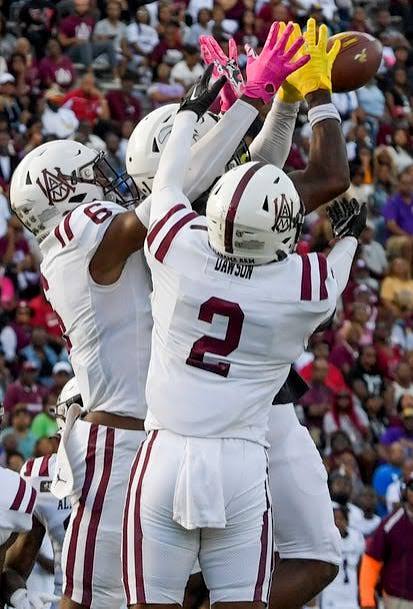
Alabama A&M players competing at the highest level. HBCU football is about more than just the game—it's about the culture, the community, and the experience. (Photo: Alabama A&M Athletics)
To maximize value:
• 🎺 Band battles
• 💼 Job fairs & networking events
• 🎉 Alumni kickbacks
• 🛍️ Vendor markets
Football is the anchor—but the culture is the draw.
📈 THE BIGGER PLAY: ECONOMIC LEVERAGE
Cities benefit heavily from these events—hotels, restaurants, transportation, nightlife.
That means HBCUs have leverage.
When negotiating:
• Work directly with city economic development offices
• Push for incentives and cost offsets
• Reduce operational expenses in exchange for the revenue you generate
Because the truth is:
These games don't just need cities—cities need these games.
🎤 THE REALITY CHECK (FOR THE CRITICS)
There's always noise—podcasters, analysts, and talking heads questioning what HBCUs "need to do to survive."
But survival isn't the goal anymore.
Control is. Growth is. Ownership is.
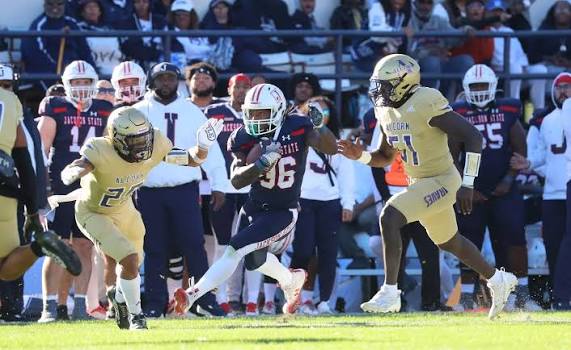
Jackson State vs Alcorn State. Rivalry games like this are the foundation of the "new money game" era. Built-in demand. Built-in storylines. Built-in revenue potential. (Photo: SWAC)
This isn't about chasing approval from traditional systems.
It's about building something that makes sense financially and culturally.
✊ FINAL WORD
People love to say the landscape is changing.
Good.
Because for HBCUs, this shift isn't a disadvantage—it's an opportunity.
You already have:
• The rivalries
• The culture
• The fan base
Now it's about packaging it correctly.
And if it's done right?
The "new money game" won't just sustain HBCU football—it'll redefine it.
Because at the end of the day:
👉 If it don't make dollars... it don't make sense.
What do YOU think? Are HBCUs ready to take control of their own revenue streams? Drop your thoughts below! 👇
Share This Article
By SheLovesThee Team